Signs
Sticking doors, and windows that will not lock
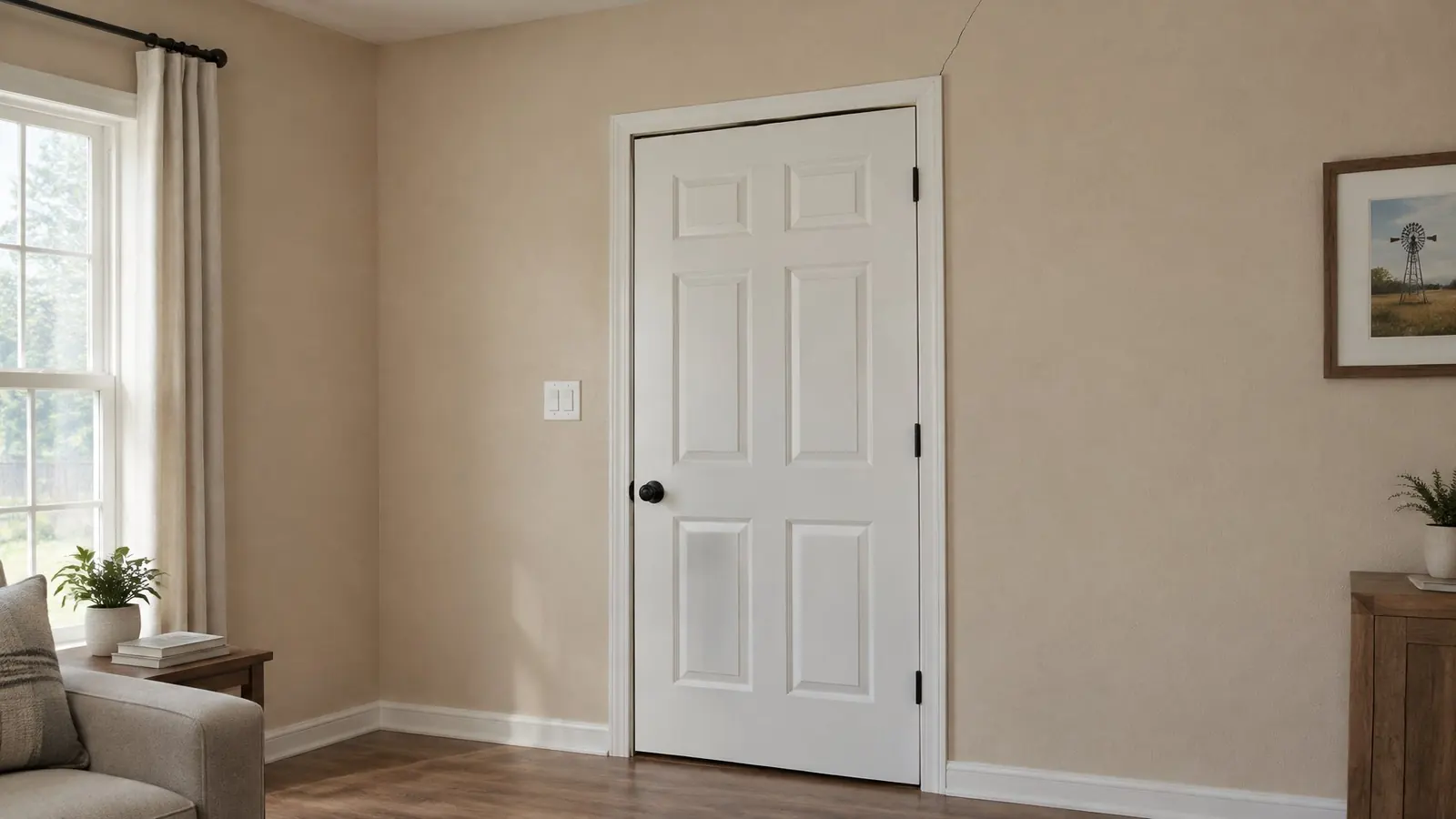
A door hangs in a rectangular opening. Let the floor sink beneath one jamb and the opening goes out of true, so the door no longer matches it. For that reason a stubborn door is often the first complaint in a house that is moving.
What to look for
- The gap along the top of the door is wide at one end and tight at the other.
- Rubbing where the head of the door meets the jamb, or a bottom edge that catches the flooring on the handle side.
- A latch bolt sitting too high or too low for its strike plate, so you must lift or lean on the door before it clicks shut.
- A door that will not stay where you leave it and creeps open or shut unaided.
- Double doors, such as French doors, no longer meet evenly in the middle.
- A window is hard to raise, will not lock, or shows a wedge-shaped gap at the sill.
One door proves little. Three or four in neighbouring rooms, each tilted in a common direction, make a pattern that deserves measuring.
Explanations that are not the foundation
Timber takes up moisture from humid air. If the trouble arrives each August and has gone by November, the weather is the first suspect. Look at the gap around it: if it is even on all sides and merely tight, humidity is the likelier cause.
Hardware wears too. Screws back out of the upper hinge until the door droops on its handle side; snugging them, or swapping in longer ones, cures it in a minute. Layers of paint build up on the edges. A door hung slightly out of plumb when the house was built has always had a mind of its own.
Windows have their own failures: broken balances, swollen sashes, painted-shut tracks. None of those involve the slab.
How an inspector reads doors
They record every door that has gone out of true and the way it tilts, then set that beside the floor elevation readings taken through the house. If the doors all lean toward the same low spot on the floor map, the two findings support each other.
They also look above the frames. A diagonal crack rising from the corner of a door opening goes with a racked frame, and the pair together carries more weight than either alone. See cracks in walls and brick.
Questions about doors and windows
Why is it only in summer that my doors bind?
It can be either. Humid air swells wood every summer. On the clay side of New Braunfels, soil moisture also follows the seasons, so slabs move on a yearly rhythm as well. Uneven gaps and nearby cracks point toward the slab; an even, tight fit points toward humidity.
If the foundation is repaired, will the doors work again?
Often they improve as each opening is pulled back into shape, though a perfect fit cannot be promised. Some doors need rehanging or adjusting once the lifting is finished. Ask the company whether that is included.
When you are ready
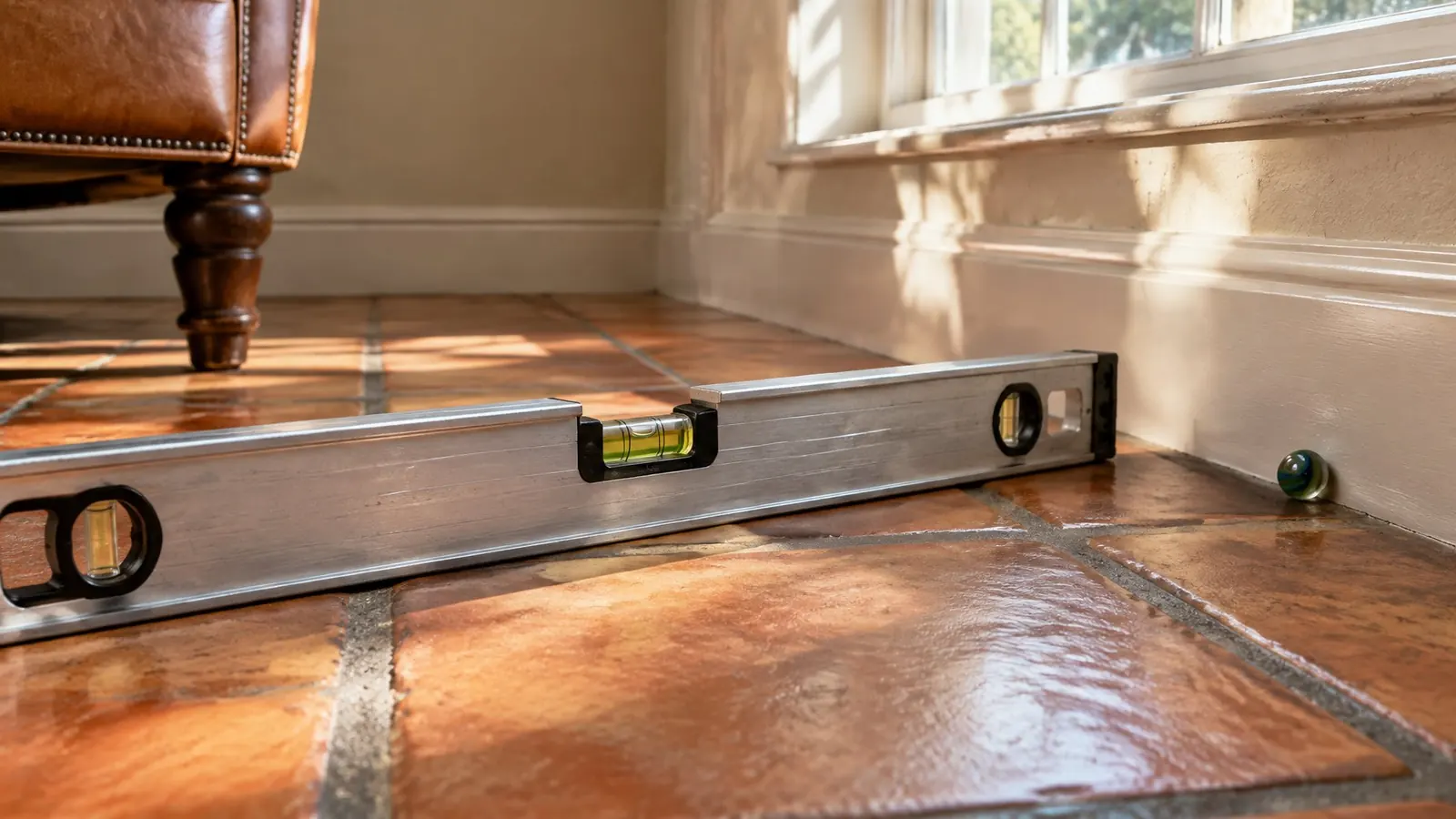
Pages can narrow it down. A level and a floor plan settle it.
Whichever side of the escarpment your house stands on, the answer comes from numbers taken on the spot. The firm that makes the visit then sets down on paper what it measured and what a repair would run to.
Sudden shifting, the smell of gas, or a wall that seems about to come down is a different matter: clear the house first, then dial 911 or your gas provider.
Have your New Braunfels house measured
Ring the number and describe the crack, door or floor that worries you. Whoever answers works for a foundation repair firm near New Braunfels, a separate and independent business, and can book a day to inspect.
Call (830) 879-9995Your call may be recorded. The referral disclosure explains who is paid.